
Switch it Up: A Guide to Smart and Beautiful Lighting Control
Although the humble white rocker switch still has its place, those looking to bring additional functionality and uniqueness to their home are now presented with many excellent options when it comes to switching. Whether you're replacing a single toggle in a Victorian flat, integrating smart dimmers throughout a full renovation, or wiring a new addition, switch selection rarely stays contained to the wall plate. These small decisions end up touching more of the project than most people anticipate — they sit at the intersection of electrical capacity, finish materials, and how a space actually gets used day to day.
I find that homeowners generally find themselves in one of two camps. On one side, homeowners embrace the high-tech functionality of smart switches which allow them to control devices from their phone, create scenes to dim lighting, or operate motorized shades and other devices in groups. In the other camp, people find the simplicity of "dumb" switches to be a predictable and welcome choice in an increasingly connected and complex world.
Smart Switches
For most homeowners interested in lighting automation, Lutron Caséta is where the conversation starts — and for good reason. It's reliable, widely compatible, and doesn't require a neutral wire, which makes it one of the more practical choices in San Francisco's older homes where that neutral is often missing. Basic functionality includes app control, scheduling, and voice assistant integration, and the system scales well from a single dimmer to a whole-home setup.
For clients undertaking larger renovations or new construction, Lutron HomeWorks is the system specified most often at the higher end. Where Caséta is a consumer product you can self-install, HomeWorks is a professionally programmed system — it handles complex multi-room scenes, integrates with shading, HVAC, and security systems, and offers a level of responsiveness and reliability that's hard to match. The keypads are also significantly more refined aesthetically, which matters when the hardware is living on the wall of a well-designed space. The tradeoff is cost and commitment — HomeWorks requires a certified Lutron dealer and programmer, and changes to the system aren't something you do through an app on a Sunday afternoon.
Both systems share Lutron's core strength: their dimmers and switches are among the best in the industry at actually working quietly and smoothly, without the flicker, buzz, or lag that plagues cheaper smart switch options.
Option 2: Decorative Switches
Not every project calls for smart technology, and in many cases the right answer is a beautifully made manual switch that simply works and looks right on the wall for decades.
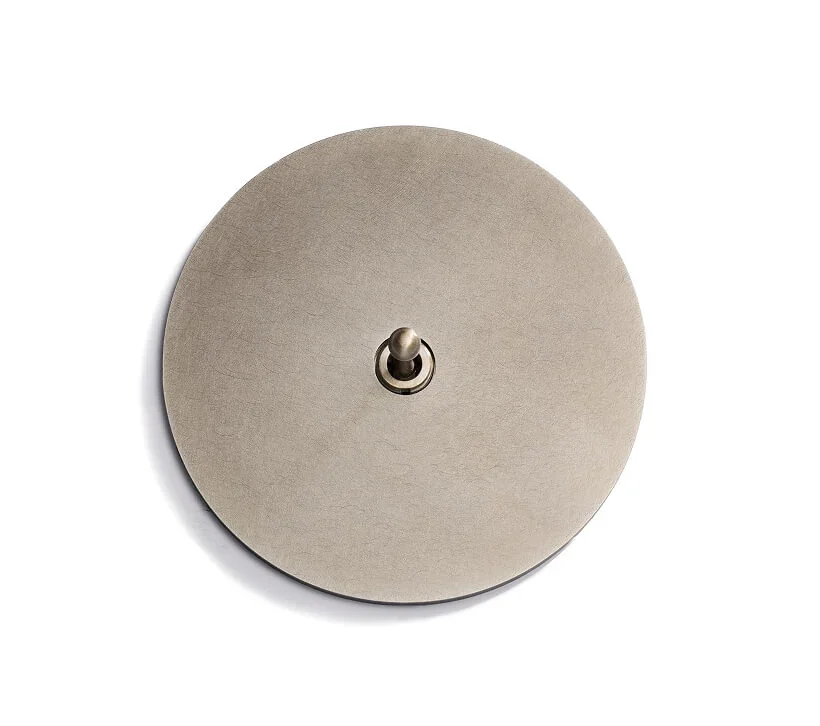
Corston offers clean, architectural hardware with a handmade quality that reads well in both modern and traditional interiors. The metal faceplates have a solidity and finish variation that you don't get from mass-produced switch plates.
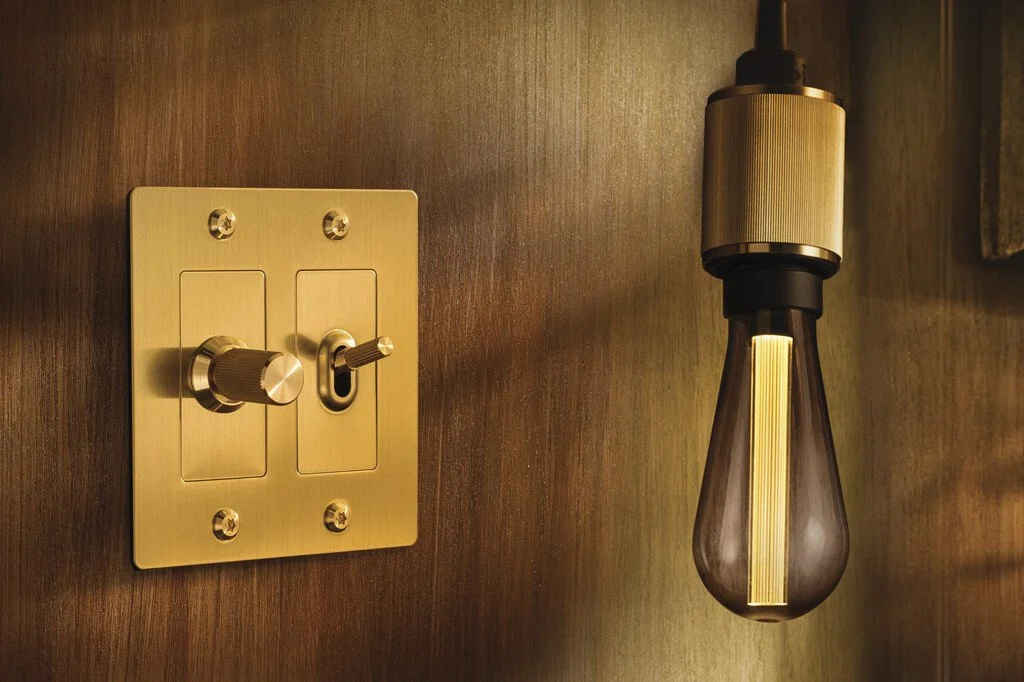
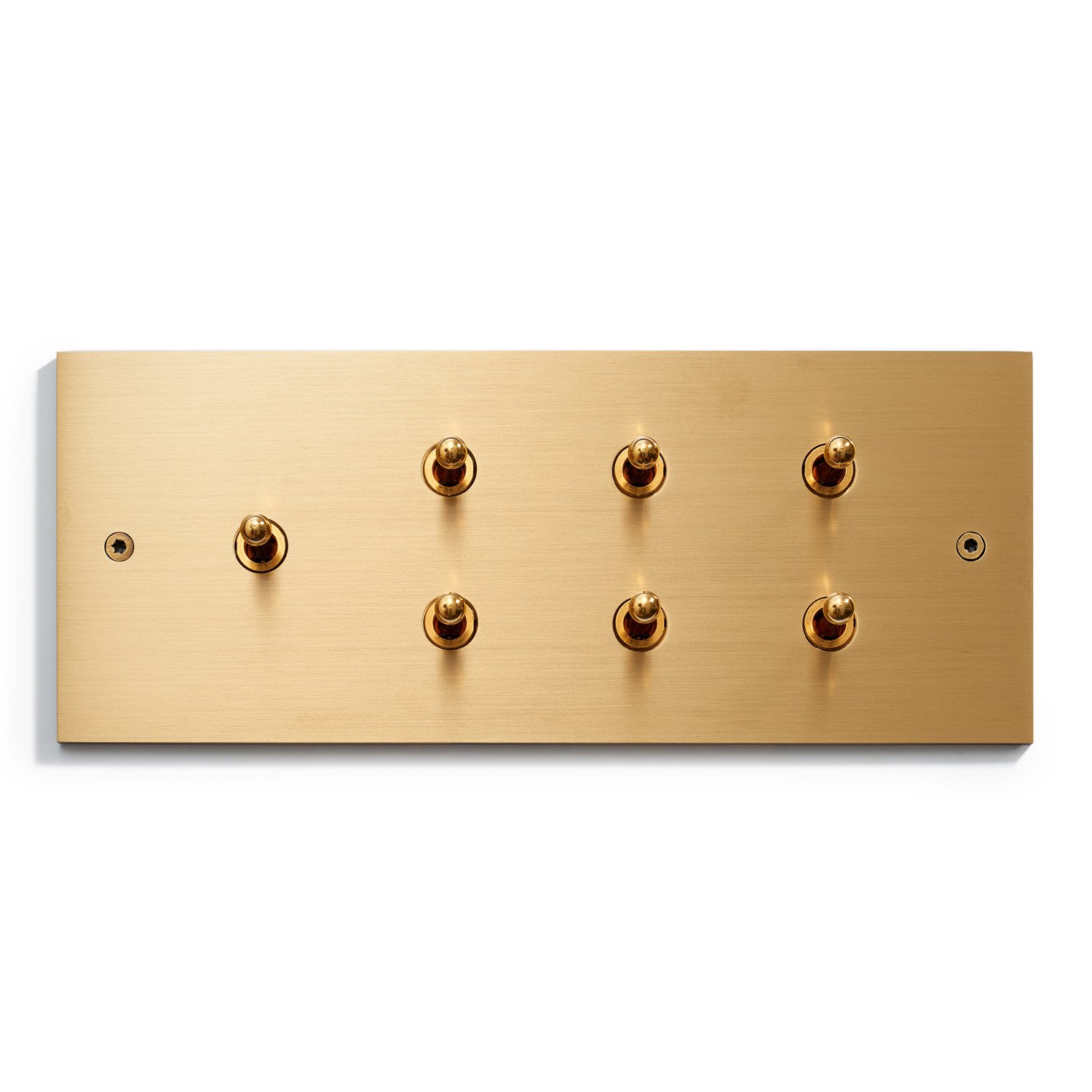
Buster + Punch brings an industrial edge — machine-knurled metal in a range of finishes that wear well and photograph beautifully. They've become a recognizable presence in high-end residential design.
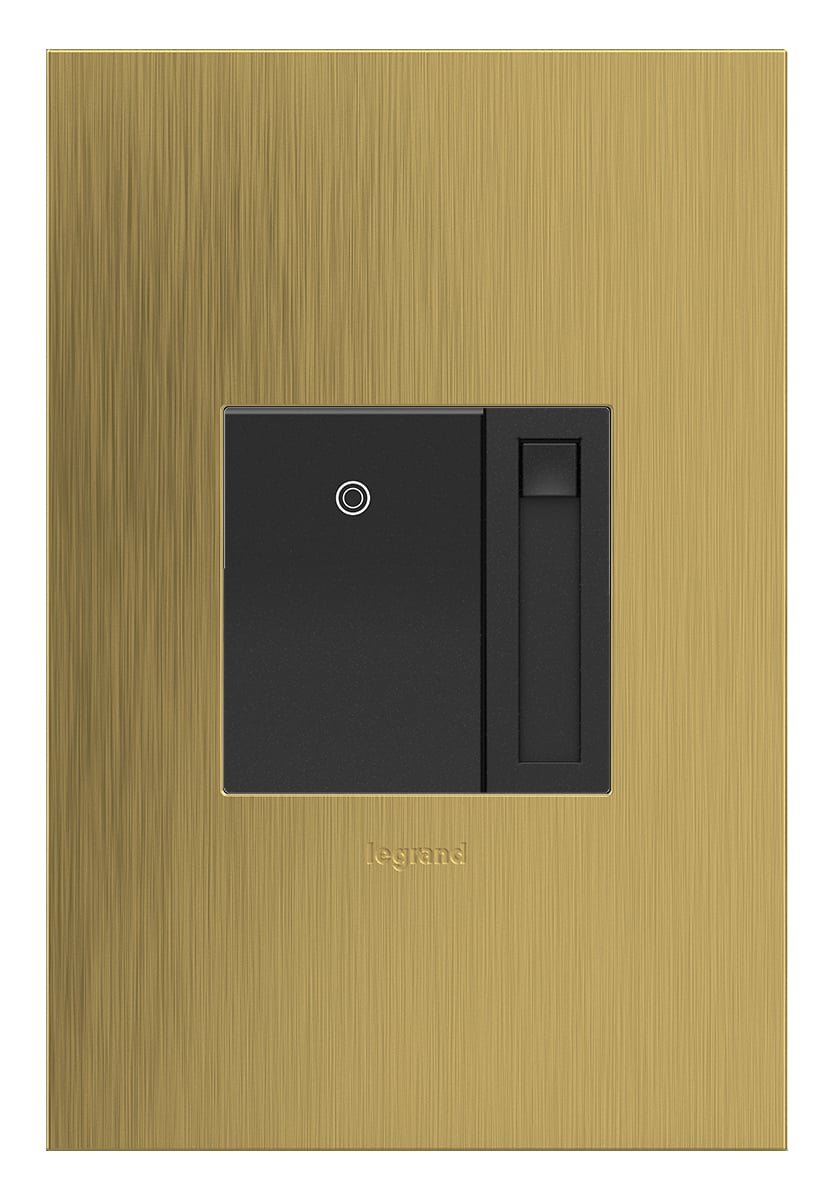
Legrand Adorne sits at a more accessible price point while offering a genuinely considered design. The snap-in module system is clever, and the flat, flush profile is a nice departure from the typical rocker switch.
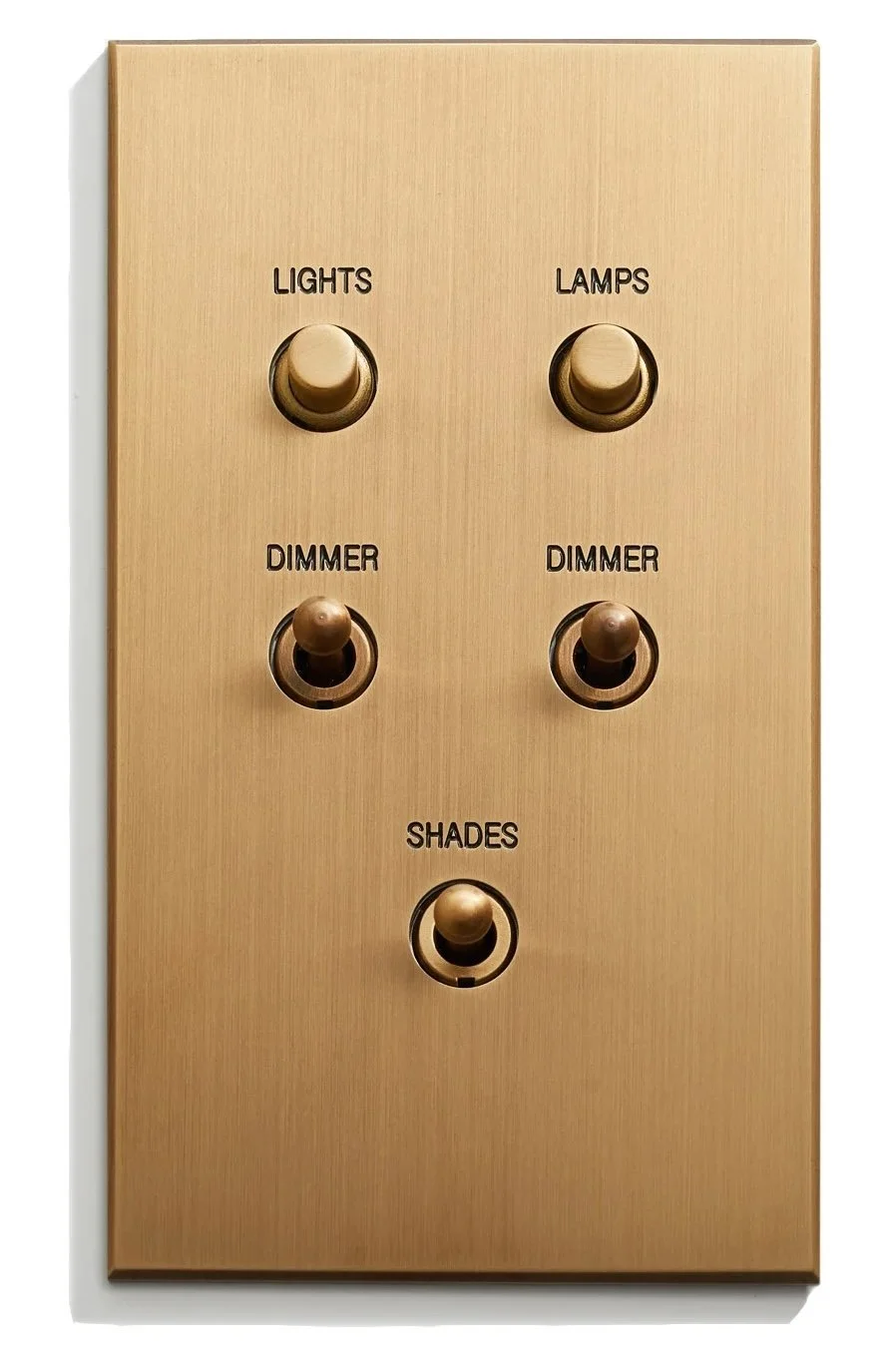
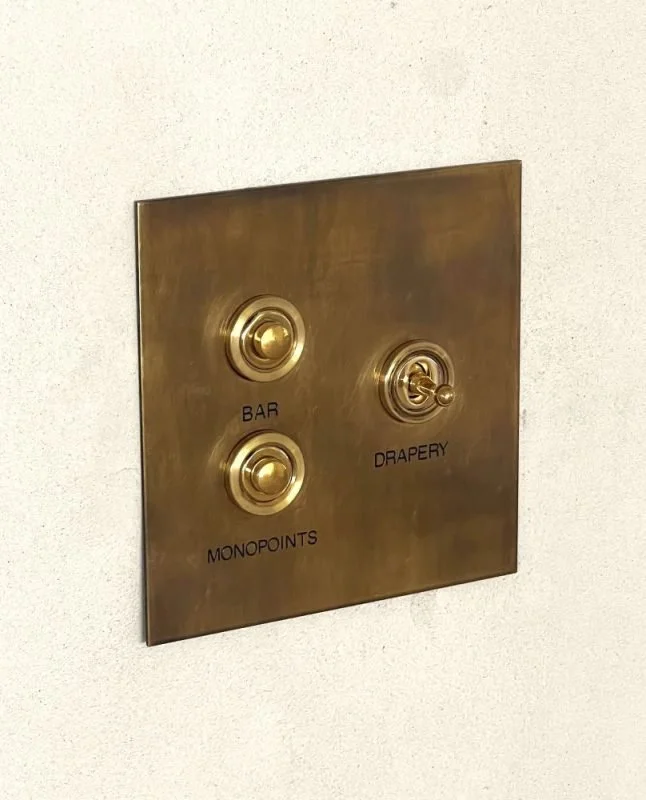
Meljac is the benchmark for anyone who takes this hardware seriously. Made in France, fully custom, and priced accordingly — these are switches for projects where every detail matters. The quality is immediately apparent when you hold one. Offering the best of both worlds, Meljac keypads integrate with smart home systems and can be engraved to specify their function.
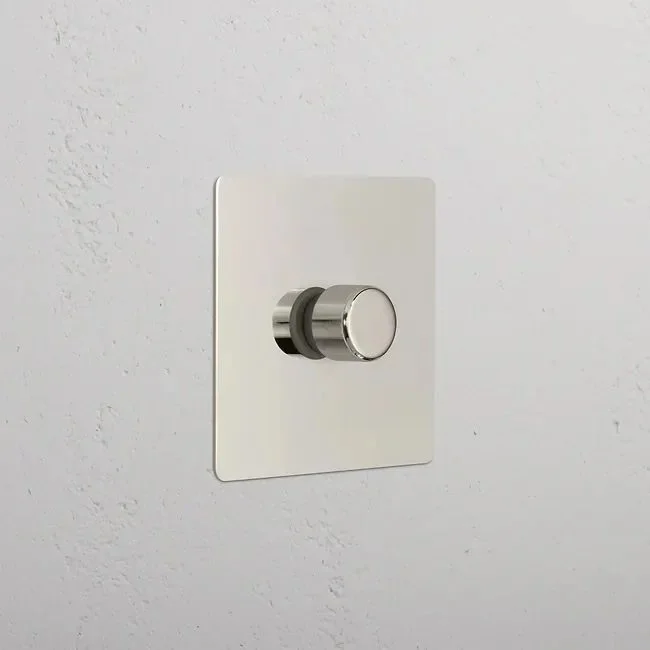
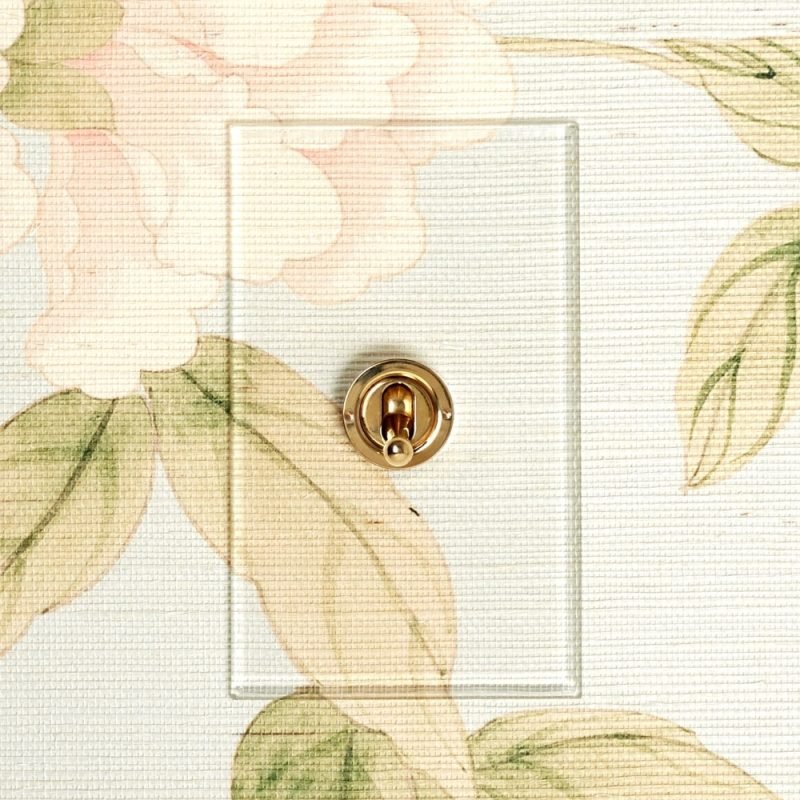
Forbes & Lomax offers a quiet, British restraint that works particularly well in period homes and in spaces where you want the hardware to recede rather than announce itself. Their invisible plate range — where the rocker floats on the wall without a visible plate — is consistently one of our favorite details in the right interior.
What draws us to all of these over standard hardware-store options is the same thing: they're designed with intention. The weight, the action of the switch, the finish quality — these are things you interact with dozens of times a day, and it shows when care was put into them.
A note on dimmer compatibility
One area worth flagging regardless of which switch line you choose: dimmer compatibility with LED lighting is more complicated than it used to be, and it's an area where I see recurring frustration on projects.
Older incandescent and halogen bulbs were forgiving — almost any dimmer worked with almost any bulb. LEDs are not. The interaction between a specific dimmer and a specific LED fixture or bulb can produce flickering, buzzing, limited range, or drop-out at the low end. This isn't always predictable from spec sheets alone, and it varies between fixture manufacturers, bulb types, and even production runs of the same product.
The practical upshot: dimmer and fixture selection should be confirmed together, not independently.
Zach with Heirloom Builders
San Francisco